Source Eco Friendly Silicone Beaded Tassel for Curtain, Bag, and Garment
Find 30 listings for eco friendly silicone beaded tassel options suitable for curtain, bag, and garment applications. Compare specifications including material, length, and customization features to identify the right supplier for your sourcing needs; compare the available evidence and request quotations based on your requirements.
Key considerations
Products List


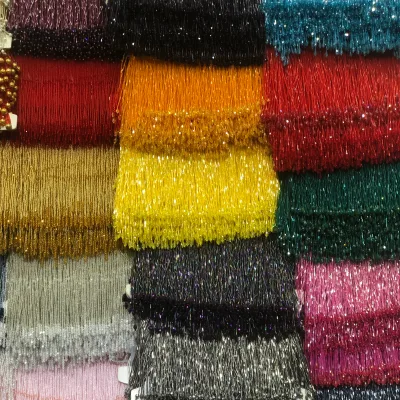


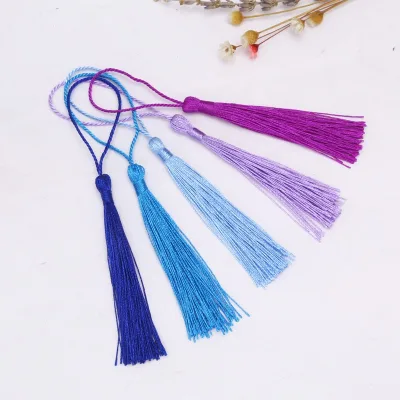


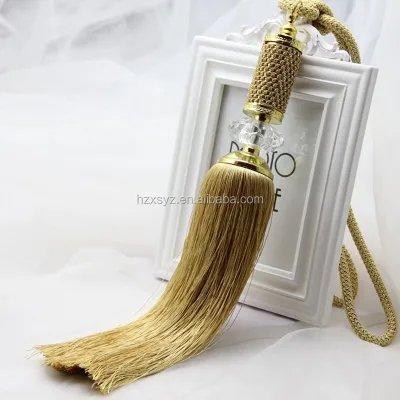
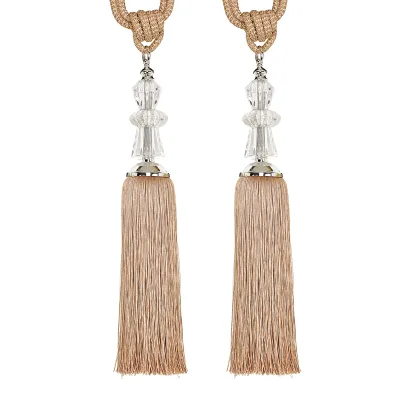
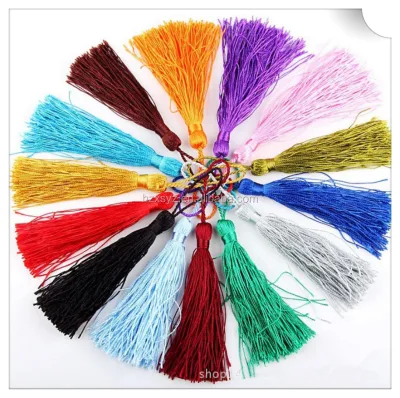


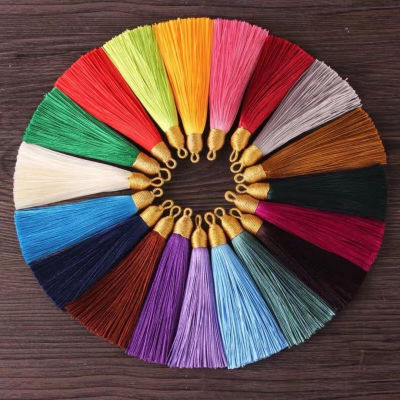
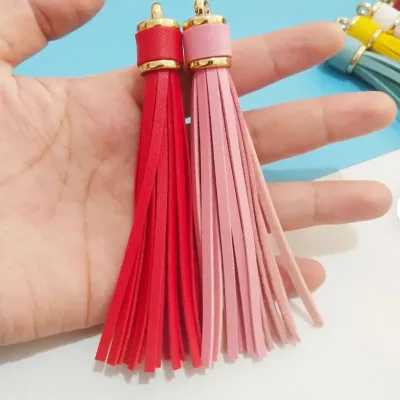
Comprehensive Sourcing Guide
Eco Friendly Silicone Beaded Tassel Sourcing Guide
Sourcing eco-friendly silicone beaded tassels requires a nuanced understanding of material properties, as the term "silicone" often overlaps with polyester or acrylic in general listings. Buyers must distinguish between true silicone components and traditional textile fringes, particularly when evaluating products marketed for high-tenacity or abrasion-resistant applications. The observed market data indicates a wide variance in material composition, ranging from 100% polyester to beaded assemblies, which significantly impacts durability and aesthetic finish. Procurement teams should prioritize suppliers who explicitly define the core material of the bead and the fringe strands to avoid misalignment with sustainability goals.
Verification of the "eco-friendly" claim is critical, as this label can refer to recycled content, non-toxic dyes, or biodegradable properties depending on the manufacturer. Trusted category knowledge suggests that silicone is generally durable and heat-resistant, but buyers must confirm if the beads are solid silicone or coated materials. The presence of embroidery techniques and flat shapes in some listings suggests a hybrid product design that may not rely solely on silicone. Therefore, initial supplier inquiries should focus on material safety data sheets and specific environmental certifications to ensure the product meets the intended regulatory and ethical standards for the final application.
Product Scope and Observed Listing Signals
The current market landscape for decorative tassels reveals a diverse array of product types, including curtain fringes, garment accents, and bookmark embellishments. Observed listings show significant variation in total length, with options ranging from approximately 7cm to 180cm, indicating that customization is a primary driver for this category. The shape is predominantly flat, and techniques such as embroidery are commonly employed to enhance visual appeal. Buyers should note that while some products are marketed as luxury items with gold crystal beading, others are positioned as minimalist or functional accessories, requiring careful alignment with the end-use design requirements.
Color options are extensive, with black, white, yellow, grey, light blue, and purple being frequently available, alongside custom color requests. The observed price range is broad, reflecting differences in material quality, bead complexity, and order volume. Minimum order quantities vary significantly, from small batches of 5 pieces to large industrial orders of 5000 pieces, suggesting flexibility for both prototyping and mass production. Procurement specialists must evaluate these signals to determine if the supplier can accommodate specific design constraints, such as custom sizes or specialized packaging, which are often requested to meet brand identity standards.
Technical Specifications to Verify
Technical verification must begin with the precise definition of the bead material, as silicone properties differ markedly from glass, acrylic, or metal alternatives. Buyers should request detailed specifications regarding the hardness, temperature resistance, and flexibility of the silicone beads, as these factors influence the tassel's performance in dynamic applications like garment movement or curtain draping. The connection method between the bead and the fringe strand is equally important; loose connections can lead to shedding, while secure knots or fused joints ensure longevity. Understanding the tensile strength of the fringe material, whether it is polyester or another synthetic fiber, is essential for applications requiring high tenacity.
Dimensional accuracy is another critical technical parameter, with total lengths varying from short 12cm accents to long 180cm drapes. Buyers must confirm the weight per unit, as this affects shipping costs and the overall drape of the finished product. The single package size and gross weight data provided by suppliers can help in logistics planning, but actual product density may vary. Additionally, the style of the tassel, whether it is a simple fringe or a complex beaded assembly, impacts the manufacturing process and potential for defects. Clear technical drawings or samples should be required to validate these specifications before committing to large-scale production.
Compliance and Safety Documentation
Compliance with international safety standards is non-negotiable for products intended for consumer use, particularly those involving beads that may pose a choking hazard. Buyers must verify that the silicone beads are free from harmful phthalates, heavy metals, and other toxic substances, ensuring they meet regulations such as REACH in Europe or CPSIA in the United States. The "eco-friendly" designation should be backed by recognized certifications, such as SGS testing reports, which provide objective evidence of material safety and environmental impact. Without these documents, the sustainability claims remain unsubstantiated and may expose the buyer to reputational and legal risks.
Documentation should also cover the dyeing and finishing processes used for the polyester or other textile components. Azo-free dyes and low-impact coloring methods are preferred to minimize environmental pollution and ensure skin safety for garment applications. Buyers should request test reports for colorfastness, abrasion resistance, and flammability, especially for products used in curtains or upholstery. These tests validate the durability and safety of the product over its lifecycle. Ensuring that all components, including threads and adhesives, comply with relevant standards is crucial for maintaining a cohesive and safe final product.
Cost Drivers and Commercial Terms
Cost structures for beaded tassels are influenced by material complexity, labor intensity, and order volume. Handmade or handcrafted elements, such as intricate bead weaving, significantly increase production costs compared to machine-made alternatives. The choice of bead material, whether standard silicone or premium crystal-look variants, also impacts pricing. Buyers should analyze the unit price in the context of the minimum order quantity, as larger volumes often yield better economies of scale. However, small batch orders may be necessary for prototyping, so understanding the price break tiers is essential for budget planning.
Commercial terms, including lead times and payment conditions, vary widely among suppliers. Sample order lead times can be as short as seven days, facilitating rapid design iteration, but mass production lead times may extend significantly depending on the complexity of the order. Buyers should negotiate clear terms for customization, including any additional fees for custom colors, sizes, or packaging. It is also important to clarify who bears the cost of shipping and insurance, as well as the procedures for handling defective goods. Transparent commercial terms help prevent unexpected costs and ensure a smooth procurement process.
Supplier Qualification and Quality Control
Supplier qualification requires a thorough assessment of manufacturing capabilities and quality management systems. Buyers should verify the supplier's experience in producing beaded accessories and their ability to maintain consistent quality across large batches. Factory audits, whether conducted in person or through third-party agencies, can reveal insights into production hygiene, worker safety, and environmental practices. Suppliers with established quality control processes, such as in-line inspections and final random inspections, are better positioned to deliver products that meet specified standards.
Quality control protocols should include checks for bead integrity, color consistency, and fringe uniformity. Buyers must define acceptable defect rates and establish clear criteria for product rejection. Sampling is a critical step in the qualification process, allowing buyers to evaluate the physical product against technical specifications and aesthetic expectations. It is also advisable to request references from previous clients to gauge the supplier's reliability and responsiveness. A robust supplier qualification process minimizes the risk of supply chain disruptions and ensures that the final product aligns with brand quality expectations.
Long-Term Procurement Checks
Long-term procurement success depends on continuous monitoring of supplier performance and market trends. Buyers should establish key performance indicators, such as on-time delivery rates, defect rates, and responsiveness to issues, to evaluate supplier reliability over time. Regular reviews of these metrics help identify potential problems early and facilitate corrective actions. Additionally, staying informed about changes in material regulations and sustainability standards is crucial for maintaining compliance. Suppliers who proactively adapt to these changes are more likely to be valuable long-term partners.
Building a resilient supply chain involves diversifying suppliers and maintaining open communication channels. Buyers should avoid over-reliance on a single source, especially for critical components like specialized beads. Regular engagement with suppliers can foster collaboration on product improvements and cost-saving initiatives. Furthermore, reviewing the environmental impact of the supply chain periodically can help identify opportunities for further sustainability enhancements. By maintaining a strategic approach to supplier management, buyers can ensure a steady supply of high-quality, eco-friendly beaded tassels that meet evolving market demands.
FAQs
What customization options are available for these tassels?
Customization is available for these products to meet specific buyer requirements. You can request custom sizes, colors, and packing methods. The total length varies by model, with options around 20cm or 13cm. This flexibility allows you to tailor the tassel for curtains, garments, or bookmarks effectively.
Which materials are used to make these eco-friendly tassels?
The primary material used is 100% polyester, ensuring durability and an eco-friendly profile. Some variations also incorporate beads for a luxury style. These materials provide high tenacity and abrasion resistance. The choice of polyester supports the product's usage in curtains, bags, and toys while maintaining quality standards.
Can I find suppliers with a low minimum order quantity?
Yes, suppliers offer varying minimum order quantities ranging from 5 to 5000 units. Some specific listings require an MOQ of 11 yards or 500 pieces. You can select a supplier based on your volume needs. This range accommodates both small sample orders and larger bulk procurement requirements for various tassel applications.
How long does it take to receive a sample order?
Sample orders can be supported with a lead time of approximately 7 days. This quick turnaround allows for rapid evaluation of product quality and customization. The sample process is designed to help buyers verify specifications like length and color before committing to larger production runs for curtains or garments.
What certifications do these tassel products hold?
The products adhere to SGS standards, ensuring quality and safety compliance. This certification is a key feature for buyers requiring verified materials. The manufacturing process in Zhejiang and Guangdong supports these standards. Buyers can rely on these certifications when sourcing for commercial use in garments, bags, or home decor.
Which locations are the primary origins for these products?
Products originate from major manufacturing hubs in Zhejiang and Guangdong, China. These regions are known for producing high-quality polyester and beaded items. The location data helps in assessing logistics and supply chain efficiency. Buyers can expect reliable sourcing from these established industrial centers for various tassel types.